

How Long Negative Items Stay on Your Credit Report and Affect Your Credit Score
When financial missteps occur, they can leave lasting marks on your credit history, potentially dragging down your credit score for years.
When financial missteps occur, they can leave lasting marks on your credit history, potentially dragging down your credit score for years.

Establishing a solid credit score ranks among the most important yet challenging financial tasks for both young adults entering financial independence and immigrants arriving in the United States. Without credit…

Despite the critical importance of the credit score in American financial life, misconceptions about how these three-digit numbers work remain remarkably persistent. Even financially savvy consumers often operate under false assumptions about what builds or damages their credit score.

When shopping for a mortgage, most homebuyers focus on the down payment, home price, and monthly payment. However, one factor that dramatically influences the total cost of homeownership often receives less attention: your credit score.

Financial setbacks can happen to anyone. Whether you’ve experienced job loss, medical emergencies, divorce, business failure, or other unexpected challenges, the impact on your credit score can be substantial and lingering.

Your credit score plays a pivotal role in your financial life, influencing everything from loan approval odds and interest rates to rental applications and insurance premiums.

Many Americans check their credit score regularly, only to find that this important three-digit number seems to change frequently—sometimes rising or falling by several points without any obvious reason.
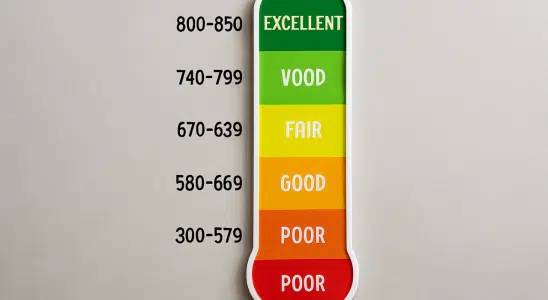
Your credit score functions as a financial report card, providing lenders with a quick assessment of your creditworthiness.