
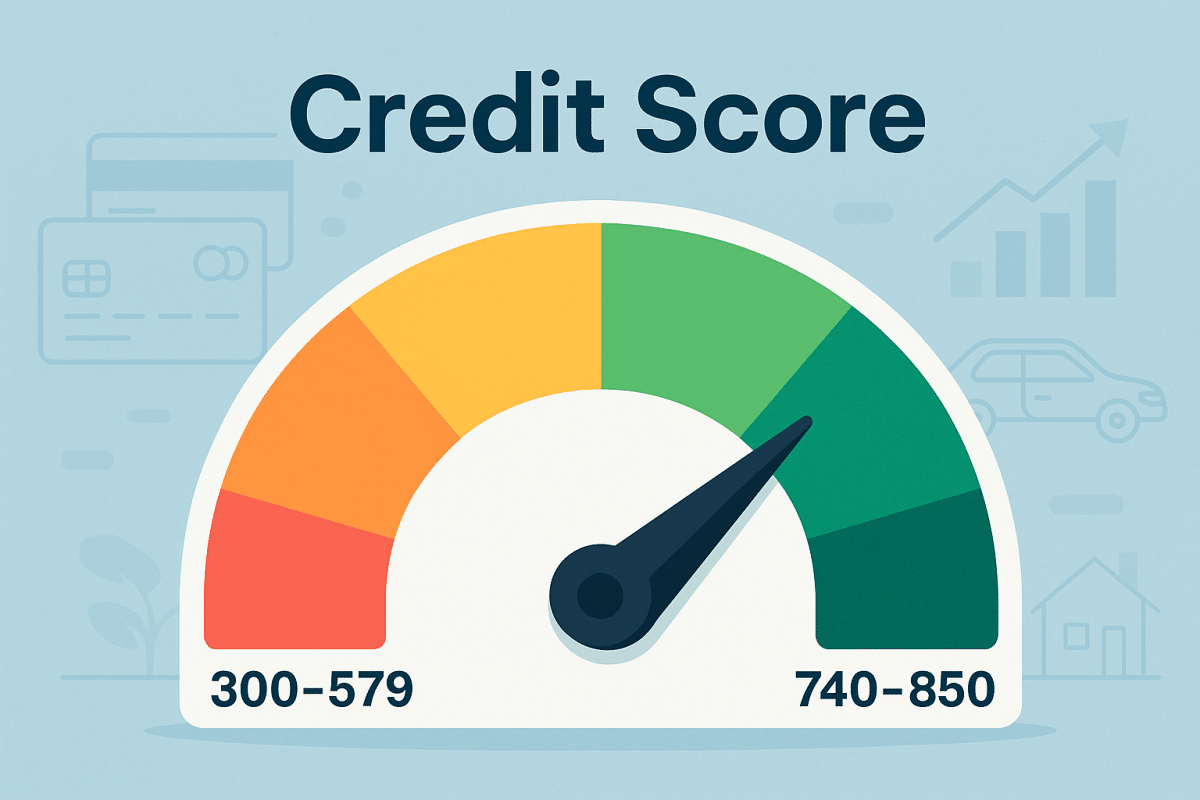
In the complex landscape of personal finance in America, few numbers carry as much weight as your credit score. This three-digit figure serves as a financial fingerprint that follows you throughout your adult life, influencing everything from loan approvals to housing opportunities. Whether you’re new to credit or looking to deepen your understanding, this guide will walk you through the fundamentals of credit scores and why they matter in your financial journey.
What Exactly Is a Credit Score?
A credit score is a numerical representation of your creditworthiness—essentially, how reliable you are as a borrower. In the United States, credit scores typically range from 300 to 850, with higher numbers indicating better credit. The most widely used credit scoring model is FICO (Fair Isaac Corporation), though VantageScore has also gained popularity in recent years.
Your credit score isn’t arbitrary; it’s calculated based on information in your credit reports from the three major credit bureaus: Equifax, Experian, and TransUnion. These agencies collect data about your credit accounts, payment history, and other financial behaviors.
The Breakdown: What Makes Up Your Credit Score
Understanding the components of your credit score can help you make informed financial decisions. According to FICO, here’s how your score is calculated:
- Payment History (35%): Your track record of paying bills on time is the most significant factor in your credit score. Late payments, collections, and bankruptcies can severely damage this component.
- Credit Utilization (30%): This refers to how much of your available credit you’re using. Experts recommend keeping your utilization below 30% of your total credit limit.
- Length of Credit History (15%): The longer your credit history, the better. This includes the age of your oldest and newest accounts, as well as the average age of all accounts.
- Credit Mix (10%): Having a diverse mix of credit types—such as credit cards, retail accounts, installment loans, and mortgage loans—can positively impact your score.
- New Credit (10%): Opening several new accounts in a short period can signal financial distress and lower your score. Each application typically results in a hard inquiry, which can temporarily decrease your score.
Why Your Credit Score Matters
Your credit score affects numerous aspects of your financial life:
Loan Approvals and Interest Rates
Lenders use your credit score to determine not only whether to approve your loan applications but also what interest rates to offer. A higher score generally qualifies you for lower interest rates, which can save you thousands of dollars over the life of a loan. For instance, on a $250,000 30-year mortgage, the difference between a 4% and 5% interest rate equals approximately $50,000 in interest payments.
Housing Opportunities
Landlords often check credit scores when evaluating rental applications. A low score might require you to pay a larger security deposit or find a co-signer. Similarly, mortgage lenders have minimum credit score requirements—typically 620 for conventional loans, though FHA loans may accept scores as low as 580.
Insurance Premiums
In most states, insurance companies can use credit-based insurance scores to help determine your premiums for auto and homeowners insurance. Research has shown a correlation between credit scores and insurance claims, making this practice common in the industry.
Employment Prospects
While employers cannot access your credit score directly, they can, with your permission, review your credit report. This is more common for positions involving financial responsibility or access to sensitive information.
Utility Services
Utility companies may check your credit when you set up new services. A low score might require you to pay a security deposit before service begins.
Credit Score Ranges and What They Mean
Different lenders have different criteria, but here’s a general breakdown of credit score ranges:
- Exceptional (800-850): You’ll qualify for the best rates and terms available.
- Very Good (740-799): You’ll likely receive better-than-average rates from lenders.
- Good (670-739): You’re considered an “acceptable” borrower and will likely be approved for loans with reasonable rates.
- Fair (580-669): You may be approved for loans but with higher interest rates.
- Poor (300-579): You may have difficulty getting approved for loans or credit without a secured card or co-signer.
How to Check Your Credit Score
Federal law entitles you to one free copy of your credit report from each of the three major credit bureaus every 12 months through AnnualCreditReport.com. Your credit report contains the information used to calculate your score, but it doesn’t include the score itself.
To access your actual credit score, you have several options:
- Check if your credit card issuer or bank offers free credit score access
- Use credit score services like Credit Karma or Credit Sesame
- Purchase your score directly from FICO or the credit bureaus
Taking Control of Your Credit Score
Understanding your credit score is the first step toward financial empowerment. By maintaining good credit habits—paying bills on time, keeping balances low, and applying for new credit only when necessary—you can build and maintain a strong credit score that opens doors to better financial opportunities.
For personalized advice on improving your credit score, consider exploring our other resources on credit score improvement or learning about how lenders use your credit score in their decision-making process.
Remember, your credit score isn’t fixed—it’s a dynamic number that changes as your financial behavior changes. With consistent positive habits, even a damaged credit score can be rebuilt over time.
Check out our comprehensive guides on personal finance basics and banking solutions to continue your journey toward financial literacy and stability.
